Nigeria’s SEC Tightens Capital Market Controls Amid Anti-Illicit Finance Crackdown
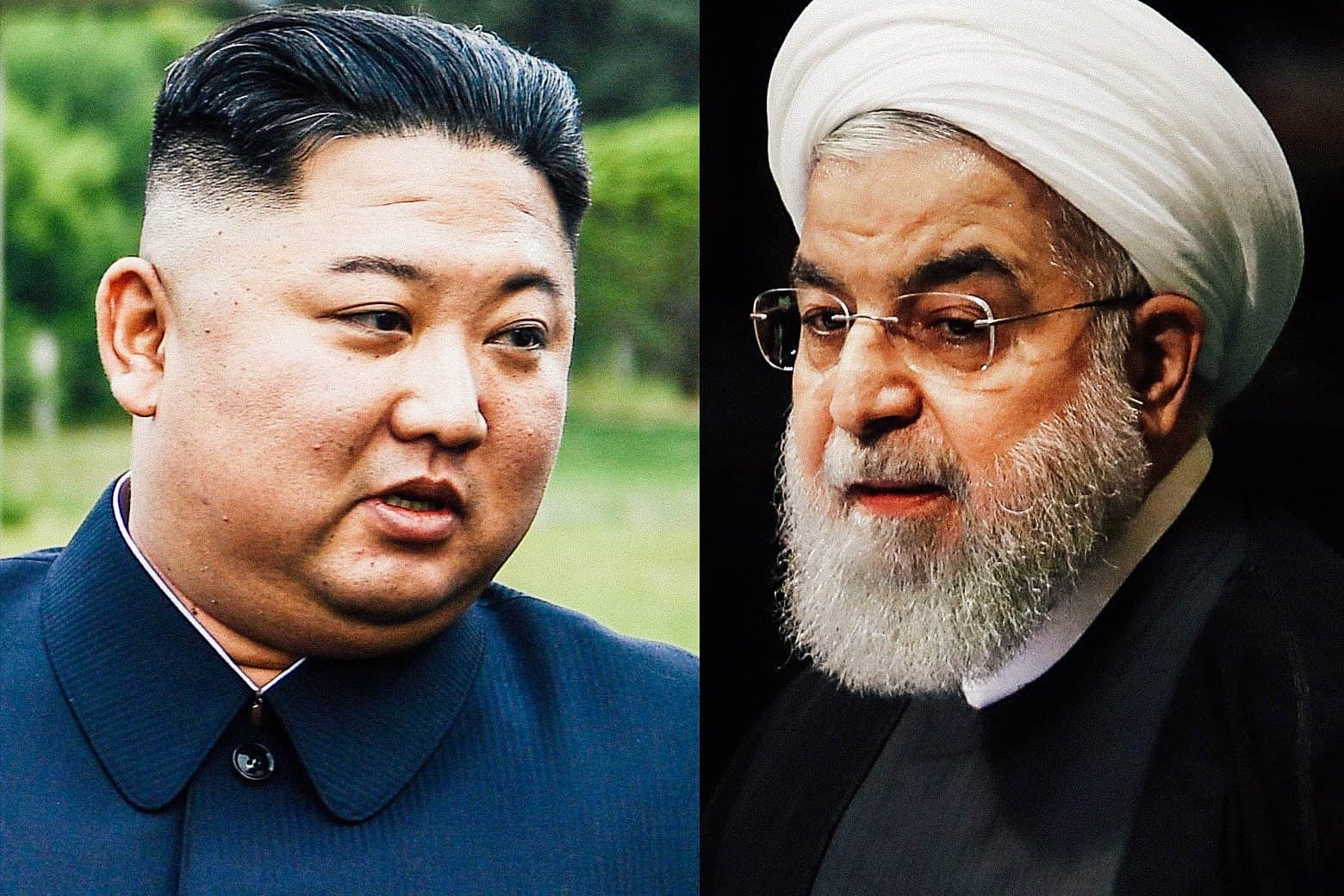
Under the newly assented Investments and Securities Act (ISA) 2025, the Securities and Exchange Commission (SEC) of Nigeria has ordered all capital market firms to immediately sever correspondent banking ties with North Korean financial institutions and cease processing transactions with Iranian banks. Implementing updated Financial Action Task Force (FATF) statements, the directive also mandates enhanced due diligence for Myanmar and 20 other monitored nations. Domestically, the SEC has parallelly ordered immediate asset freezes against six designated individuals and three Bureau de Change (BDC) entities accused of terrorism financing.
These sweeping directives escalate operational overheads for financial institutions, fund managers, and brokers, who must immediately integrate the mandatory Nigeria Sanctions (NigSac) Alerts and upgrade Know-Your-Customer (KYC) systems. Non-compliance poses severe valuation and operational risks, carrying penalties of heavy fines, suspensions, or operating license revocations. Additionally, the SEC's new "name and shame" public journal introduces heightened reputational risks for listed operators.
Conversely, regulatory clarity is strengthening the digital asset sector. The ISA 2025 formally establishes SEC oversight over digital assets. The regulator has admitted three new Virtual Asset Service Providers (VASPs), including Yellow Card and Blockchain.com, into its Accelerated Regulatory Incubation Programme (ARIP), bringing total sandbox participants to 14.
Investors should watch the operational transition of ARIP participants from Approval-in-Principle to full licensing, as well as the newly mandated use of Legal Entity Identifiers (LEIs) for transactions. Key headwinds include potential margin compression from compliance drags and lingering ambiguities regarding virtual asset taxation.