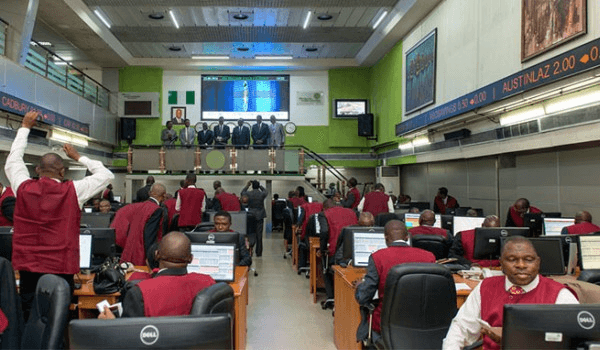
The Nigerian Exchange (NGX) is launching a revised pricing methodology on Monday, August 17, 2026, aimed at strengthening price discovery and reducing market manipulation. Approved by the Securities and Exchange Commission (SEC) on June 16, 2026, the framework dismantles the uniform 100,000-unit trade threshold to restore a graduated, volume-based structure.
Under the new rules, equities are classified into three groups:
Group A (₦1,000 and above): Requires a minimum trade of 10,000 units to move the share price, with a 10 kobo tick size.
Group B (₦500 to ₦999.99): Requires a 50,000-unit threshold and a 5 kobo tick size.
Group C (Below ₦500): Requires a 100,000-unit baseline and trades in steps of 1 kobo.
For investors, this shift fundamentally alters market dynamics. In Group A, the transaction capital required to adjust the published price of a ₦2,000 stock drops by 90%, from ₦200 million to ₦20 million. This is expected to unlock liquidity and improve price responsiveness for premium listings like Seplat Energy and Nestlé Nigeria.
However, Group C, containing widely held banking stocks like GTCO and Zenith Bank, will face slower price progression. Because the tick size drops to 1 kobo, traders must witness ten consecutive price movements to achieve the same 10-kobo gain as before, meaning transaction costs could consume a larger portion of trading gains.
Investors should watch for early selling pressure as some look to lock in profits on highly appreciated blue chips. Additionally, thinly traded equities risk "price stickiness" if they struggle to clear their respective volume thresholds.